Your engine depends on a mix of sensors, fuel delivery, and timing all working together at the same moment, every time you turn the key. When one part of that system is off, even a small one, the onboard computer usually catches it and turns on the check engine light. That light is just a warning sign, not a diagnosis by itself. Sensors can fail from age or heat, and Phoenix summers put a lot of stress on the wiring and plastic parts under the hood. A loose or cracked gas cap can even trigger the light, so it does not always mean something expensive is wrong. Still, the only way to know for sure is to look at what the computer is actually recording and compare that to what the engine is doing.
Signs You Need Engine Diagnostics
- Check engine light is on, steady or flashing
- Engine runs rough or shakes at idle
- Car hesitates or jerks when you accelerate
- Noticeable drop in gas mileage
- Engine stalls or almost stalls at stops
- Strange smells like burning oil or gas from under the hood
The dashboard light is only part of the picture, and plenty of engine trouble shows up before the light ever comes on. A rough idle, a hesitation when you hit the gas, or a sudden drop in fuel economy are all signs something in the engine system needs attention. These symptoms usually build slowly, so it is easy to get used to them and assume it is normal. Stalling at stop signs or a burning smell under the hood are more urgent and should not wait for a convenient day. Ignoring these symptoms for too long can let a small sensor issue turn into a bigger engine problem, one that costs more time and more parts to fix once it spreads to other systems nearby.
We hook up a scan tool to read the stored codes from your car's computer, which points us toward the system causing trouble, whether that is fuel, ignition, emissions, or something electrical. Codes alone do not always tell the full story. A code for a misfire, for example, could mean a bad spark plug, a failing coil, or a vacuum leak, so we check related parts like spark plugs, wiring, hoses, and sensors to see what is actually causing the symptom. This step keeps us from replacing parts that are not the real problem and chasing the wrong fix. It takes a bit more looking, but it means the part we replace is the part that was actually failing in the first place.
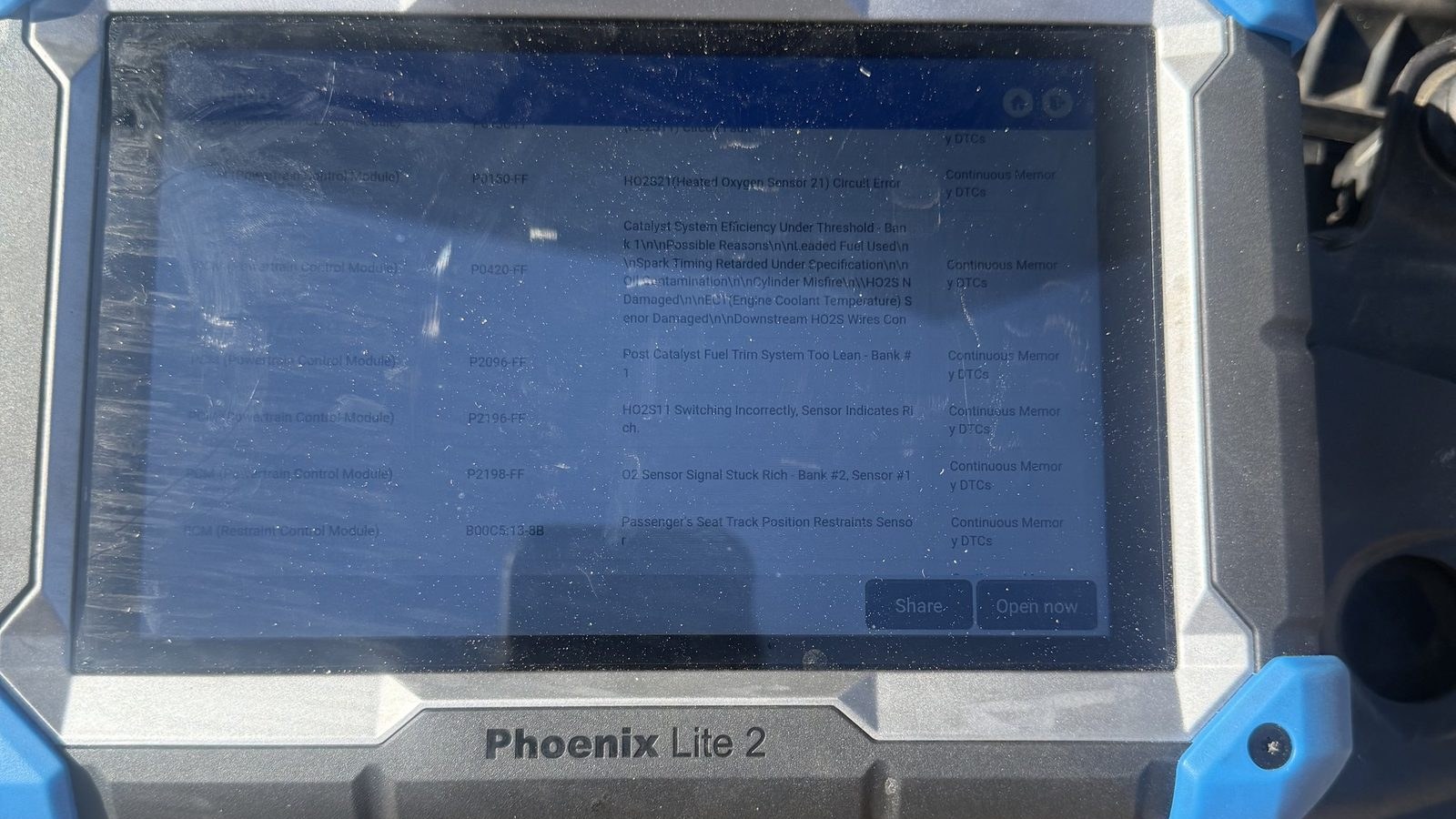

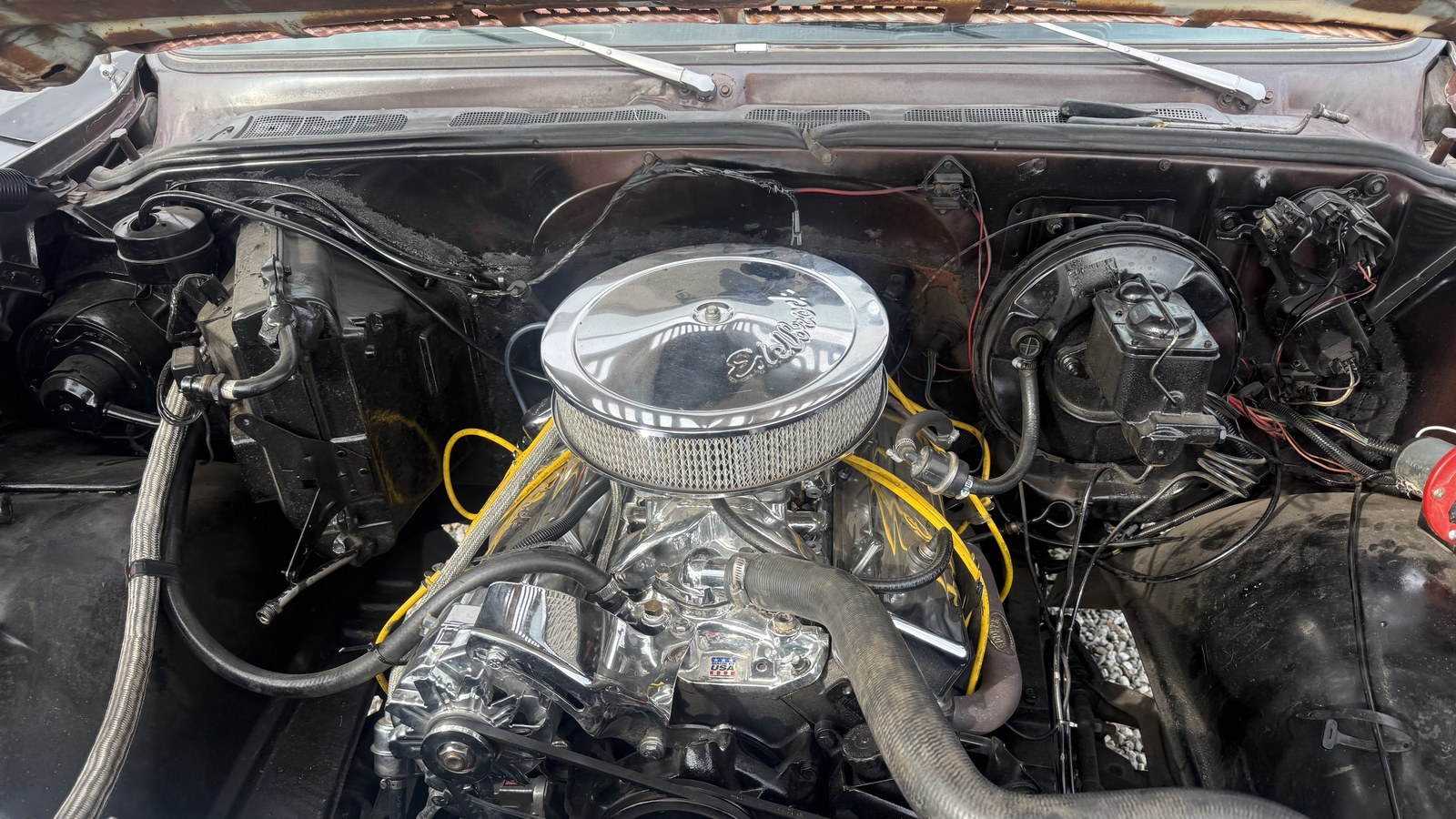
Once we know what is going on, the fix depends on what we find during that check. It might be a sensor, like an oxygen sensor or mass airflow sensor, both of which help the engine control fuel mixture and timing. It could also be a worn spark plug or a vacuum leak in a hose, either of which can throw off the whole system even though the part itself is small. We replace or repair the specific part causing the issue, clear the stored codes from the computer, and run the engine to confirm the light stays off and it is running smoothly again. That last step matters, since clearing a code without fixing the cause just means the light comes back.
What makes the job bigger usually comes down to how long the issue has been ignored before anyone looked at it. A single bad sensor caught early is a straightforward fix with a clear cause and a clear solution. But if a misfire has been happening for a while, unburned fuel can pass through the engine and damage the catalytic converter or foul the spark plugs, which adds more parts and more labor to the repair. Multiple codes showing up at once, especially ones involving the transmission or fuel system, usually mean more time checking things through, since one problem can trigger readings in a system that is not actually broken. That is why catching the light early tends to keep things simpler.
A flashing check engine light is different from a steady one, and the difference matters for how you treat it. A flashing light usually points to an active misfire that is dumping unburned fuel into the exhaust system, and that can damage the catalytic converter fast if you keep driving on it. A steady light gives you more time to get it looked at, but it still means something in the engine system needs attention before it gets worse. Either way, the earlier it gets checked, the fewer parts usually end up involved. Letting a steady light sit for weeks or months is how a simple sensor replacement turns into a bigger repair with more systems affected.
If your check engine light comes on while you are driving around Chandler, Tempe, or anywhere near Phoenix, try not to ignore it, especially if it is flashing. Pull over when it is safe and figure out which kind of light you are dealing with, since that changes how urgent things are. A flashing light usually means stop driving soon and get it checked before you put more miles on it. A steady light gives you a bit more time to plan around your day, but do not let it sit too long before calling. The sooner the codes get read and the actual cause gets found, the simpler the fix tends to stay.
What to Tell Us When You Call
- Year, make, and model of your car
- Whether the check engine light is steady or flashing
- Any symptoms like rough idle, stalling, or hesitation
- Your location for the mobile visit around Phoenix

 Supercanic