Your vehicle's electrical system runs on the battery, the alternator, and a web of wires, fuses, and connections that reach every part of the car. The battery stores power and the alternator keeps it charged while you drive, pushing current out to the starter, the lights, and every sensor under the hood. When either one starts failing, you get symptoms like slow cranking, dimming lights, or a car that won't start at all. Sometimes it is quieter than that, a dashboard light that flickers or power windows that move slower than they used to. Corrosion on battery terminals is a common and simple cause that gets overlooked, and it can mimic a dying battery even when the battery itself is fine. We see this a lot on vehicles parked outside in Phoenix heat, where corrosion builds up faster than people expect.
Signs of an Electrical Problem
- Car clicks but won't start, or cranks slow
- Battery keeps dying even after a jump
- Dashboard warning lights on for no clear reason
- Headlights or interior lights dim or flicker
- Power windows, locks, or accessories acting up
- Burning smell or a fuse that keeps blowing
Wiring problems are trickier because they can show up anywhere in the car, front to back, dash to trunk. A chewed wire, a loose connector, or a blown fuse can cause something as small as a radio that won't turn on or as serious as a car that won't start. Rodents, worn insulation, and old age all play a part in why wires fail over time. Electrical issues are often intermittent too, working fine one day and acting up the next, which makes them frustrating to chase down without the right equipment. A connector that is loose might only cause trouble when the car hits a bump, or when the engine gets hot and metal expands. That kind of inconsistency is exactly why guessing at parts rarely solves the real problem.
We start with a proper check of the battery and charging system, testing voltage at rest and while the engine runs, since a healthy number sitting still can still drop once the alternator is under load. From there we use a multimeter and wiring diagrams to trace the problem, whether that means checking fuses one by one, following a circuit through the harness, or testing a specific component like a window motor or alternator directly. We do not start replacing parts until we know what is actually failing, because swapping in a new alternator will not fix a bad ground wire, and a new battery will not fix a worn out voltage regulator. Testing first saves you from paying for parts that were never the problem.
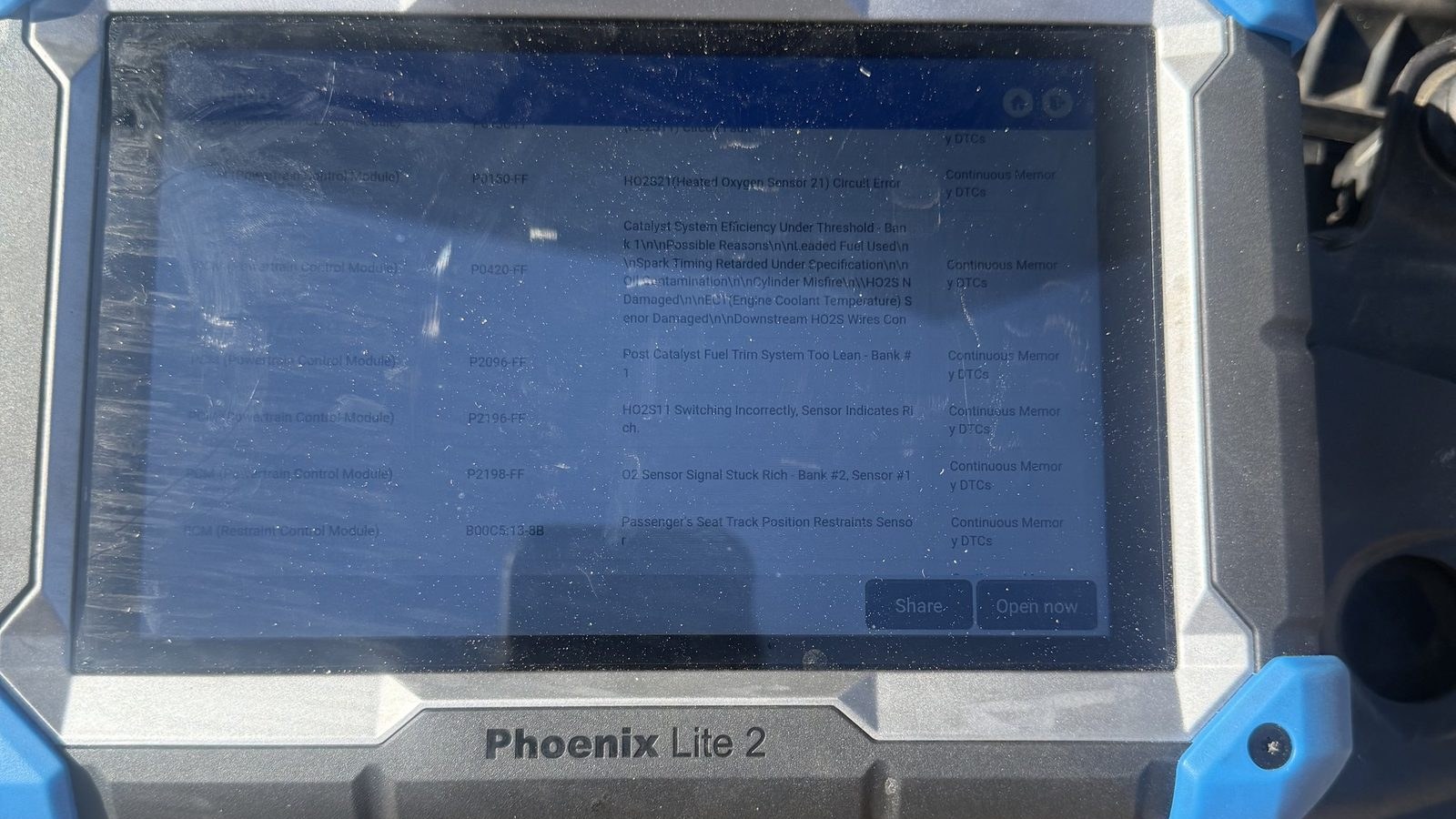
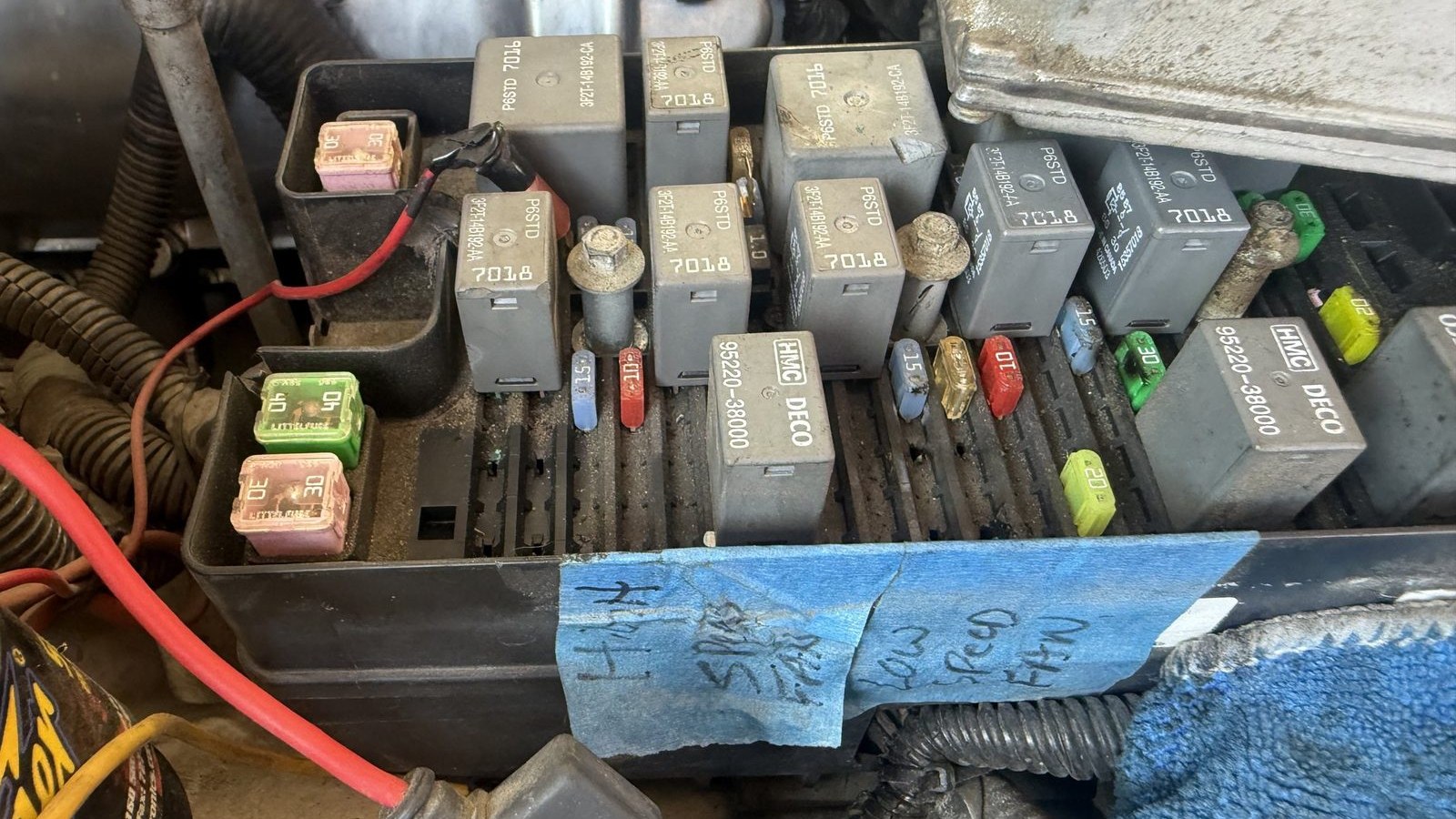

Once we know the cause, the repair might be as simple as cleaning corroded terminals or replacing a battery that no longer holds a charge. Bigger jobs involve replacing an alternator, repairing a damaged wire buried in the harness, or fixing a faulty switch or module that controls something like power locks or dash lights. Some repairs are mechanical and some are closer to detective work, tracing a short through several feet of wiring before finding the actual break. We bring the diagnostic tools and parts needed to handle most of this right at your vehicle, whether it is parked at home or at work in Phoenix, Tempe, Chandler, Glendale, or one of the nearby towns we cover.
The size of the job depends on where the problem is hiding and how deep it runs into the car's systems. A dead battery or corroded terminal is a fast fix, usually done with basic tools and a clear test result. A wiring issue buried in the harness or an intermittent fault takes longer to track down because it is not always visible or active when we check it, and it may only act up under specific conditions like heat, vibration, or load. Vehicles with a lot of electronics, like newer models packed with sensors and modules, can also take more time to diagnose properly, since one failing part can throw off readings in several unrelated systems at once.
Until we take a look, avoid jump starting the car repeatedly if it keeps dying, since that can strain the electrical system further and put extra stress on the alternator once the engine finally starts. Repeated jump starts can also mask a deeper problem with the battery or charging system instead of solving it. If you smell burning or a fuse keeps blowing right after you replace it, stop driving the vehicle and get it checked, since that can point to a short that needs attention before it causes more damage, possibly to wiring that is expensive to replace later. Small warning signs now are almost always cheaper to deal with than a full electrical failure down the road.
If you are dealing with any of these symptoms around Phoenix, Guadalupe, Tolleson, Avondale, or Komatke, it helps to get the system checked before a small issue turns into a bigger one. Electrical problems rarely fix themselves, and driving around with a weak battery or a hidden short just adds more strain to other parts of the car. We work on brake service, engine diagnostics, oil changes, suspension and steering, heating and A/C, and electrical issues, so if your electrical trouble turns out to be connected to another system, we can look at that too. Give us a call at 602-740-3168 and we can talk through what you are noticing and figure out the next step.
What to Tell Us When You Call
- Year, make, and model of your vehicle
- What's happening, like clicking, no start, or flickering lights
- Whether a battery or alternator has been replaced recently
- Where your vehicle is located in Phoenix

 Supercanic